Then and now
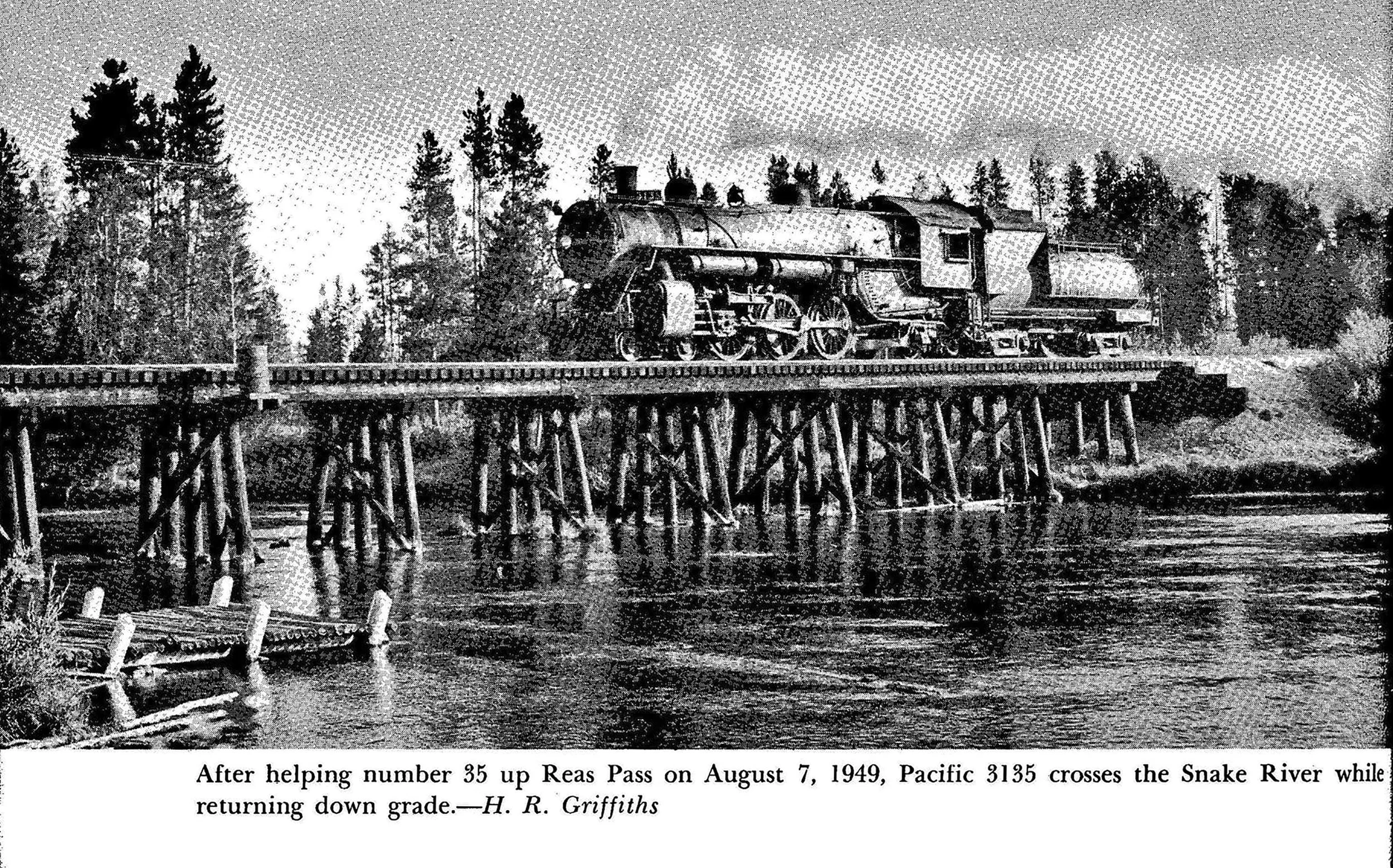
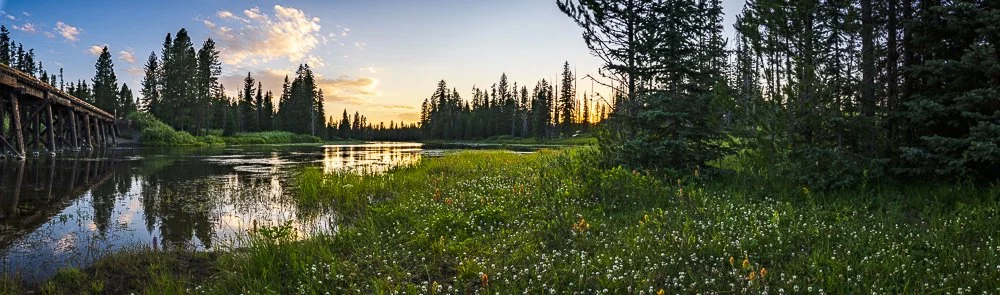
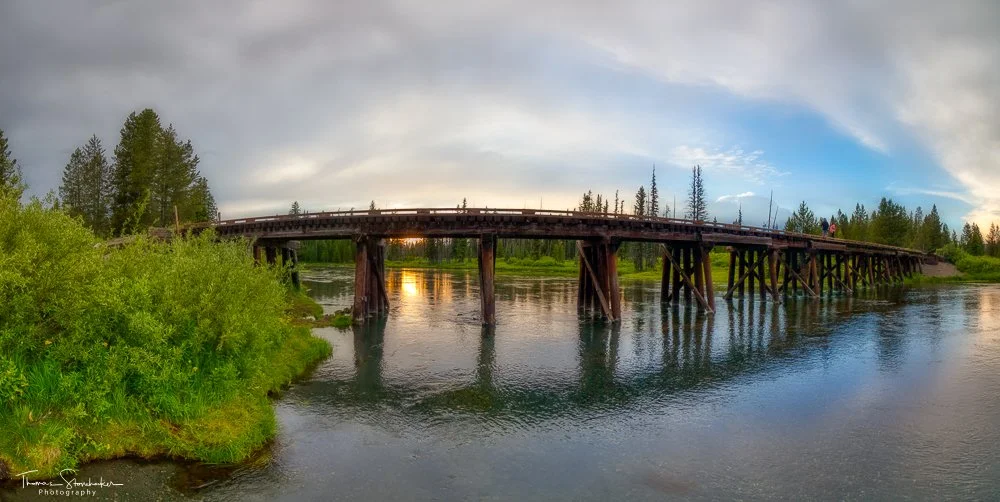
Not to be confused with the ones I’ve shared now and then—I’ve got a couple more photos of the old train trestle in Island Park not far from Big Springs. Back when passenger trains still served Yellowstone National Park, regular service ran right over this wooden structure. Believe it or not, it’s still standing today.
I’ve also photographed some of the related structures in West Yellowstone that are mentioned in the text below. I’ll try to include those in a future post.
Around 1949, passenger train service to Yellowstone was still operating seasonally (mainly in summer), but it was already in clear decline. The rise of automobiles, better roads, and shifting post-WWII travel habits were steadily replacing the trains that had dominated park access for decades. By the late 1940s, private cars were taking over.
Main rail gateways still active or recently ended
Several railroads served different park entrances:
West Entrance (West Yellowstone, Montana) — Union Pacific / Oregon Short Line: This was the busiest rail gateway for many years. The Yellowstone Branch (completed 1907–08) ended right at the park boundary. The seasonal Yellowstone Special (and related services) ran overnight or daytime from points such as Salt Lake City, Idaho Falls, Pocatello, or connections farther west/east. Passengers arrived in the morning, often had breakfast at the railroad’s dining lodge, and transferred to park buses or other transport for tours. Service was suspended during WWII (hotels closed after 1942) but resumed in 1946 and continued through the 1950s. It ended after the 1960 season (interrupted by the 1959 Hebgen Lake earthquake).
North Entrance (Gardiner, Montana) — Northern Pacific: The historic “Yellowstone Park Line” branch from Livingston ended at Gardiner, steps from the Roosevelt Arch and park boundary. Through Pullman sleepers connected via the North Coast Limited in peak years. Scheduled passenger service ended in 1948; only occasional specials (e.g., charters) continued into the mid-1950s. After that, passengers used the mainline to Livingston (or Billings) and transferred to buses for the ~50-mile trip south.
East Entrance (Cody, Wyoming) — Chicago, Burlington & Quincy: Service to Cody (with onward bus or stage connections into the park) continued in this era as part of broader western tour packages.
Other routes: Union Pacific also served Victor, Idaho (Teton Valley Branch, gateway toward the south/Grand Teton side). Earlier or secondary options included Milwaukee Road service toward Gallatin Gateway, Northern Pacific connections via Bozeman or Red Lodge, and older Chicago & North Western service via Lander (south entrance), though the longer road connections made some less popular by the late 1940s.
Context in 1949
Package tours remained available. For example, Thomas Cook offered escorted “Popular tours to Yellowstone” in 1949 using streamliners such as the Milwaukee Road’s Olympian Hiawatha, with fares advertised from Chicago. Railroads and concessioners (Yellowstone Park Company) still promoted multi-day park loops by bus after rail arrival.
Employee specials: Railroads ran seasonal trains to bring summer park workers (often college students) to West Yellowstone and other gateways.
Overall trend: Rail share of visitors had dropped sharply from the early 20th century peak (when trains brought the large majority). The Depression, WWII disruptions, and especially the family automobile eroded ridership. One source notes the broader demise of passenger rail service to the park began around 1948 and was essentially complete by 1960.
By the early 1950s the pattern was set: mainline trains still reached nearby towns (Livingston, Idaho Falls, etc.), but direct branch-line service to the park gates was fading or gone, replaced by bus connections or private cars. The grand depots and dining facilities at places like West Yellowstone outlasted regular passenger trains and later became historic sites/museums.