HDR Photography
There was a time when I was obsessed with HDR photography. It was (and in some circles still is) hugely popular, but I've mostly moved on. Modern digital cameras now have excellent dynamic range straight out of the camera, so the need for heavy HDR processing isn't as strong as it once was.
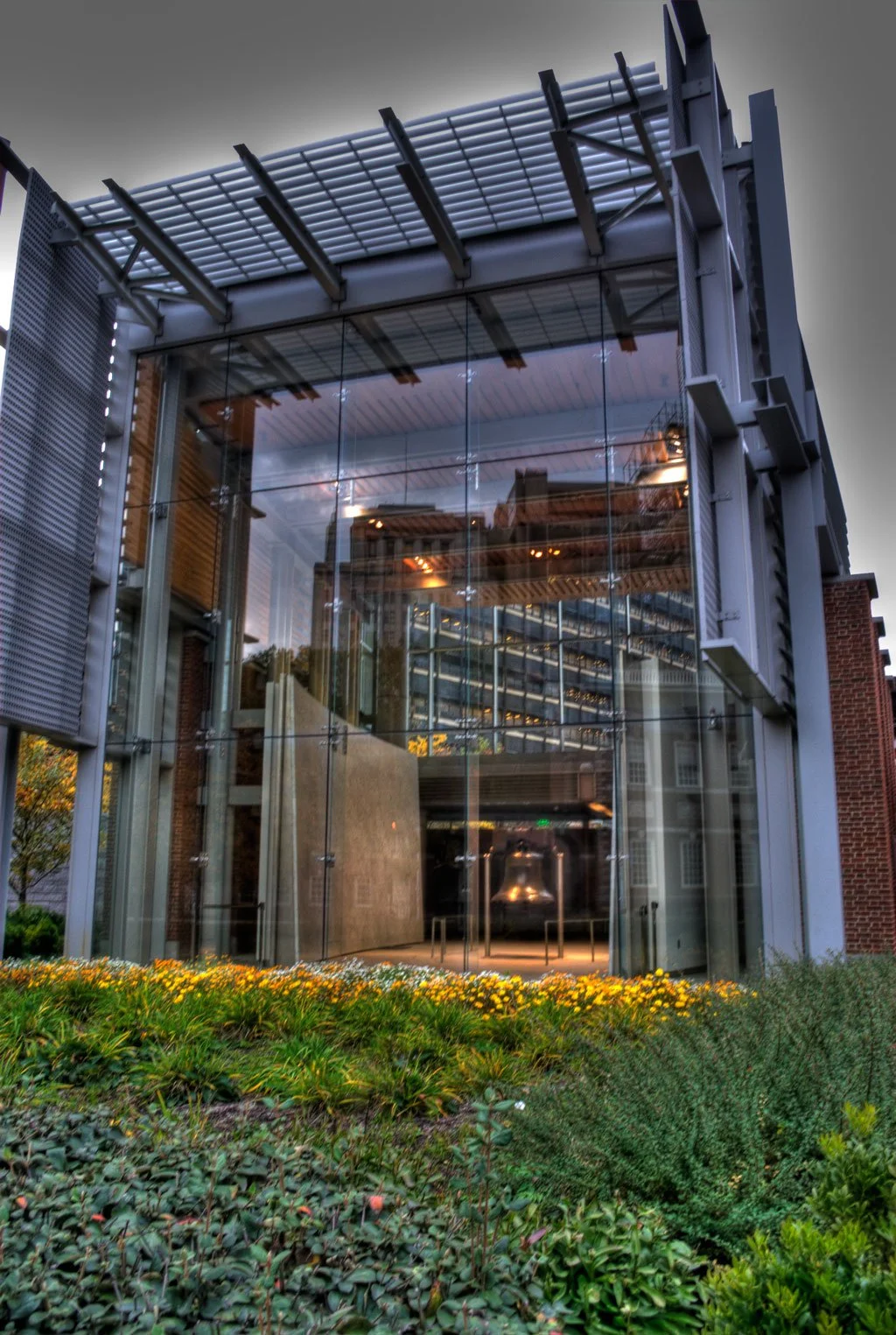
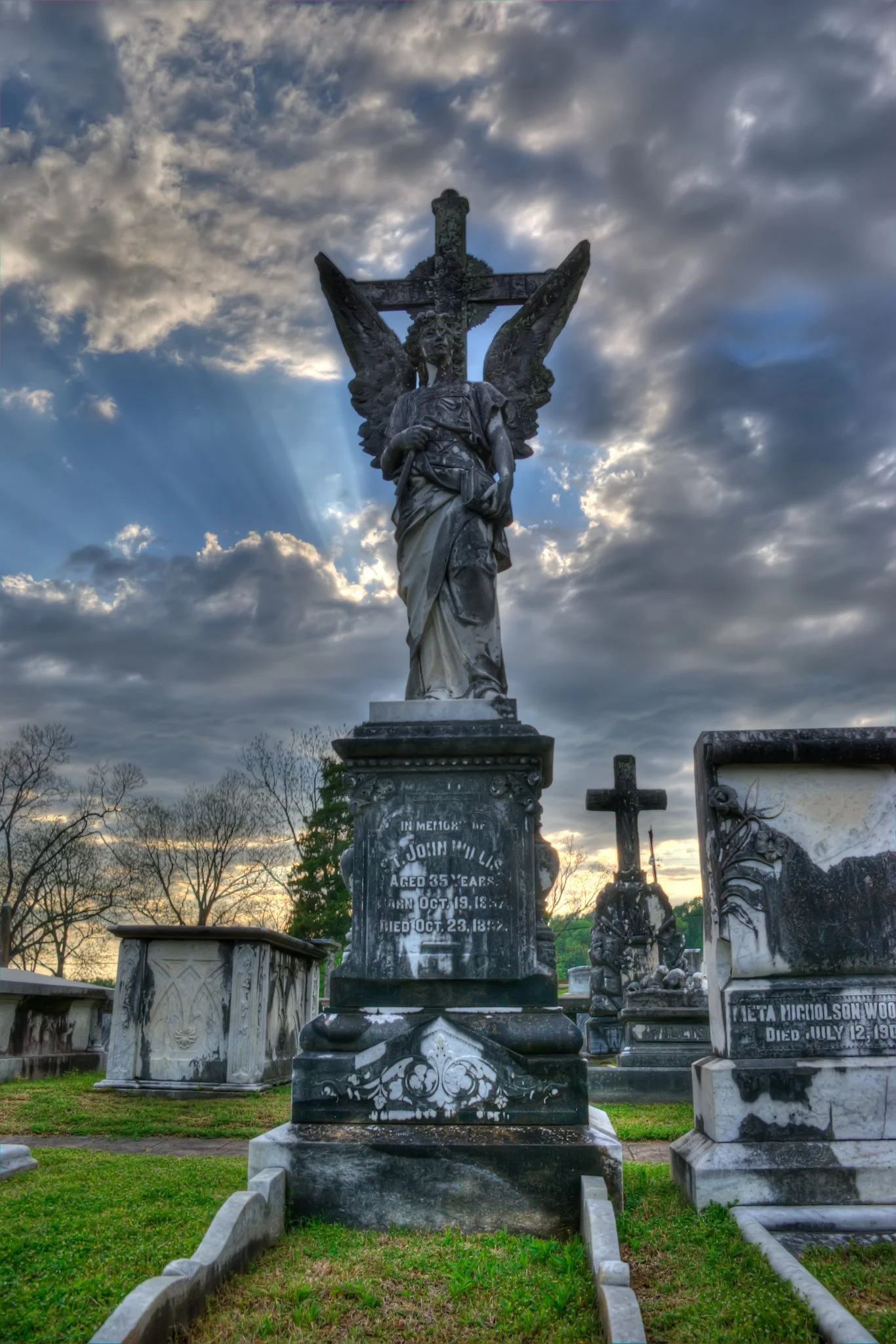
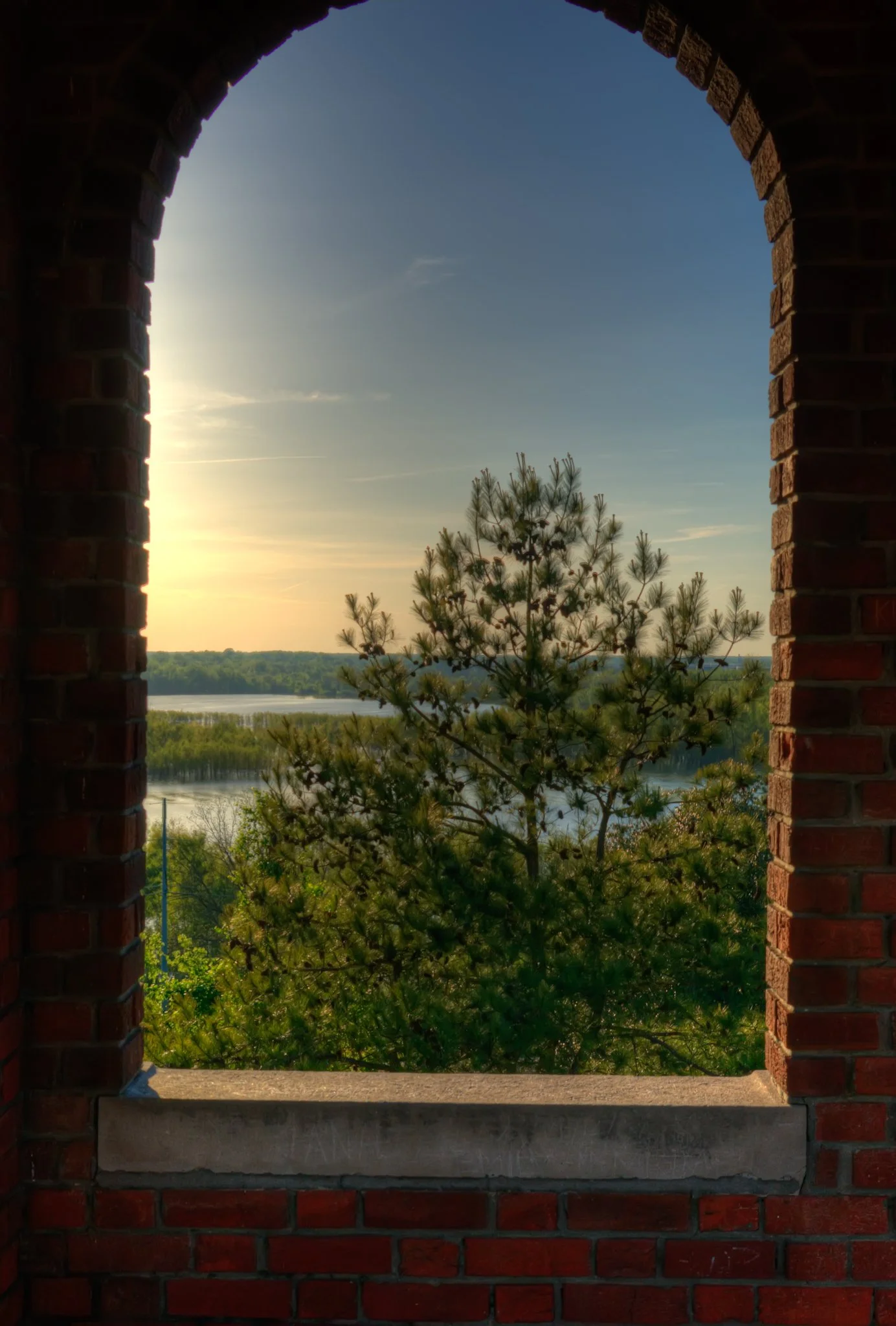
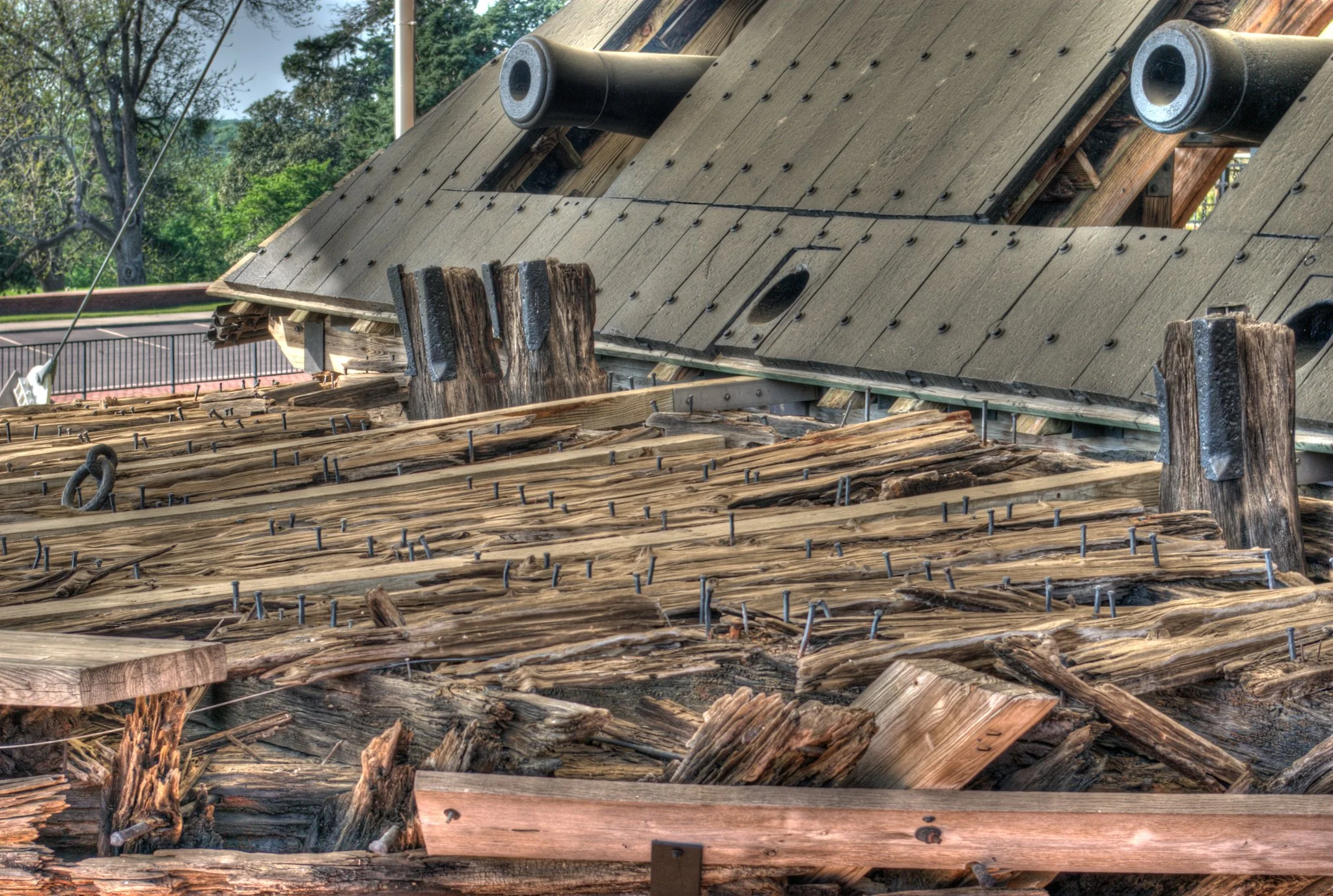
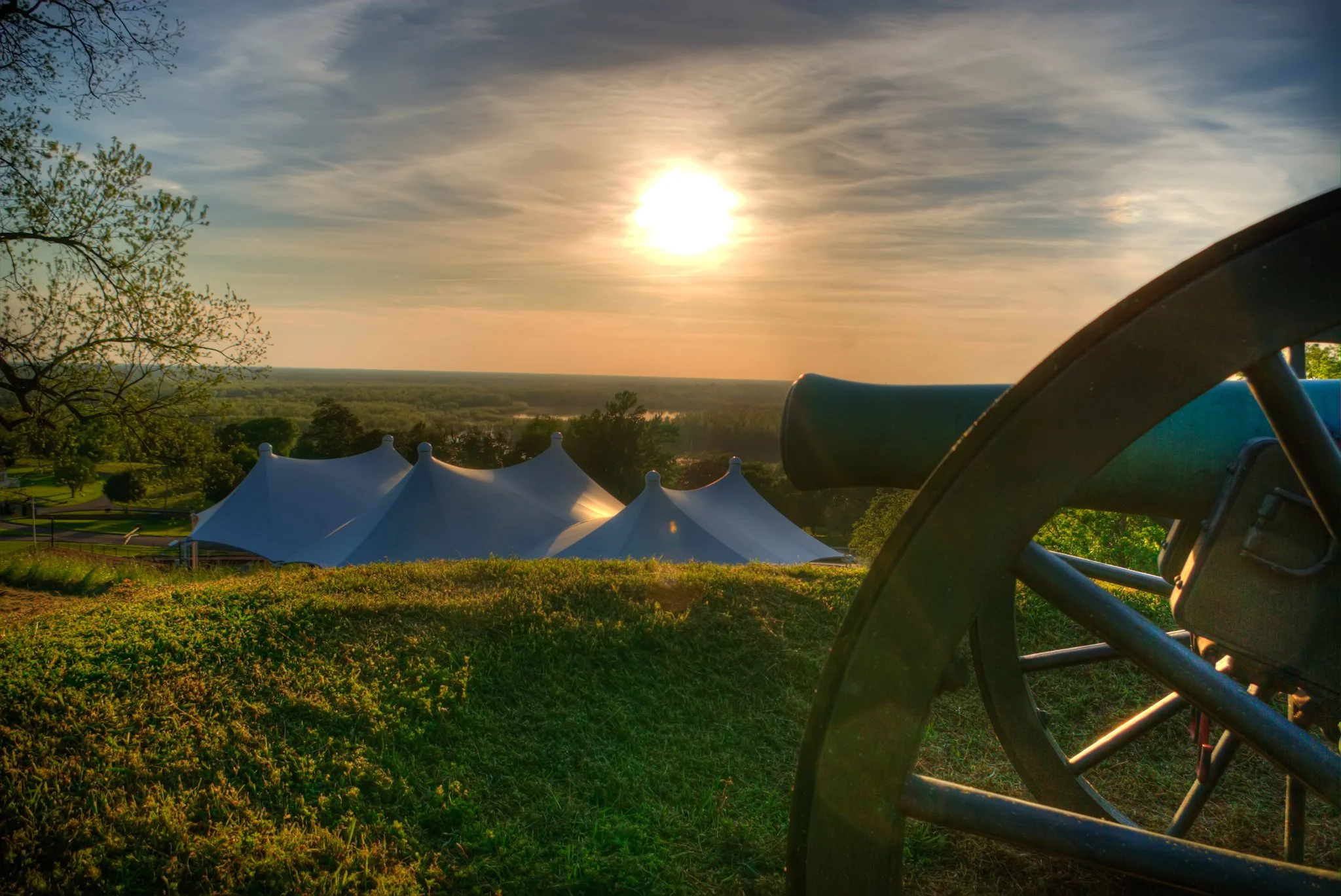
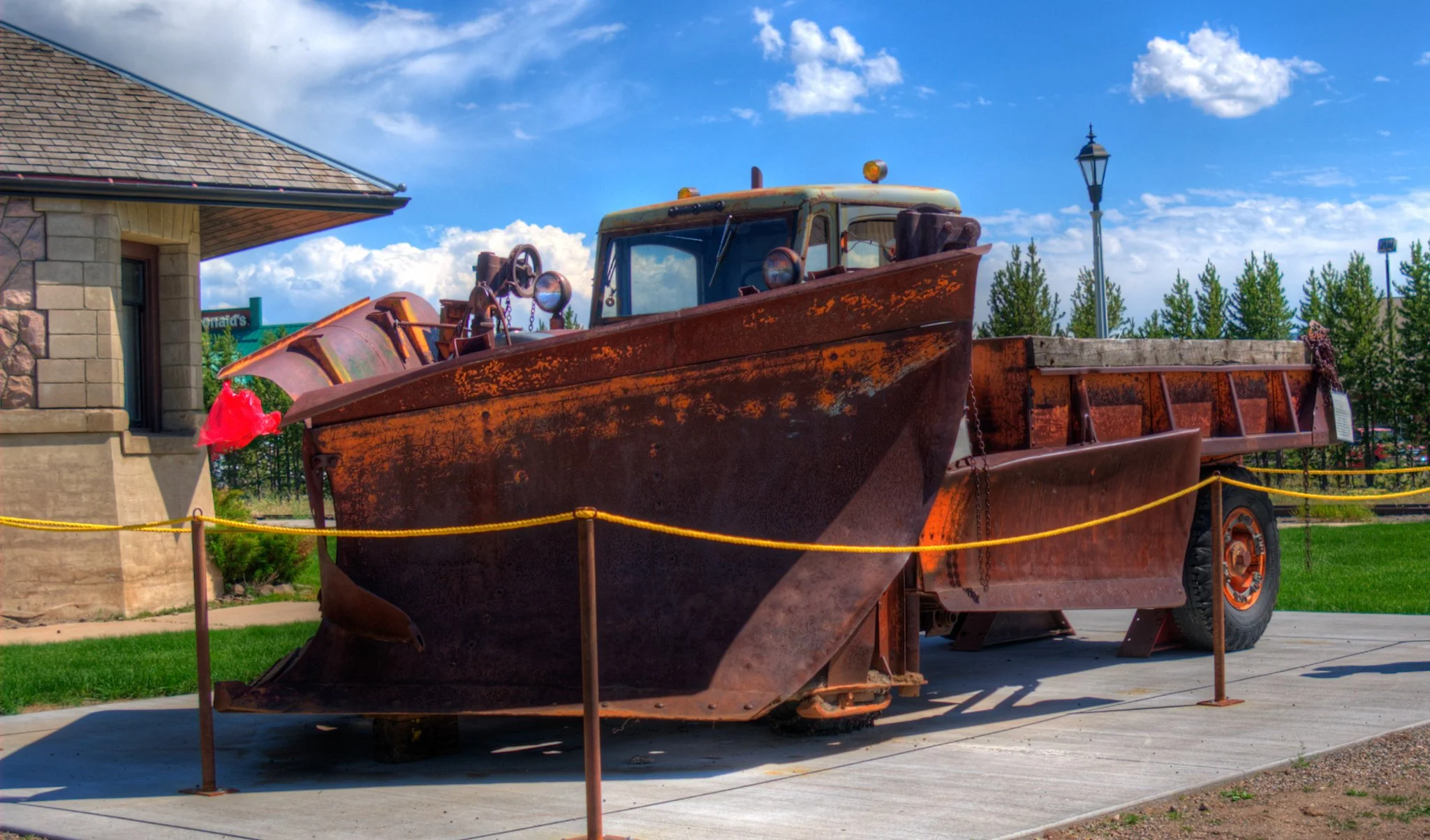
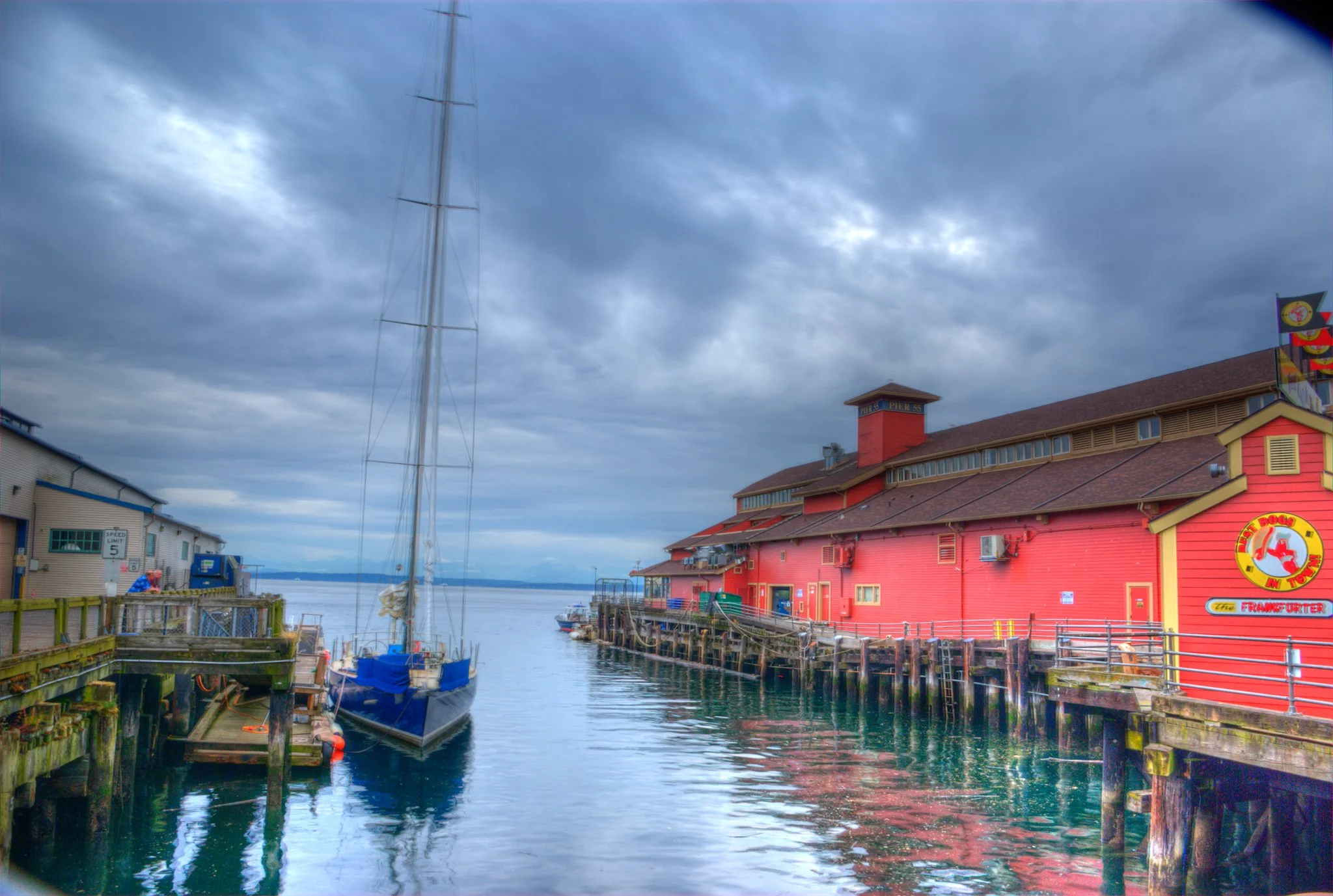
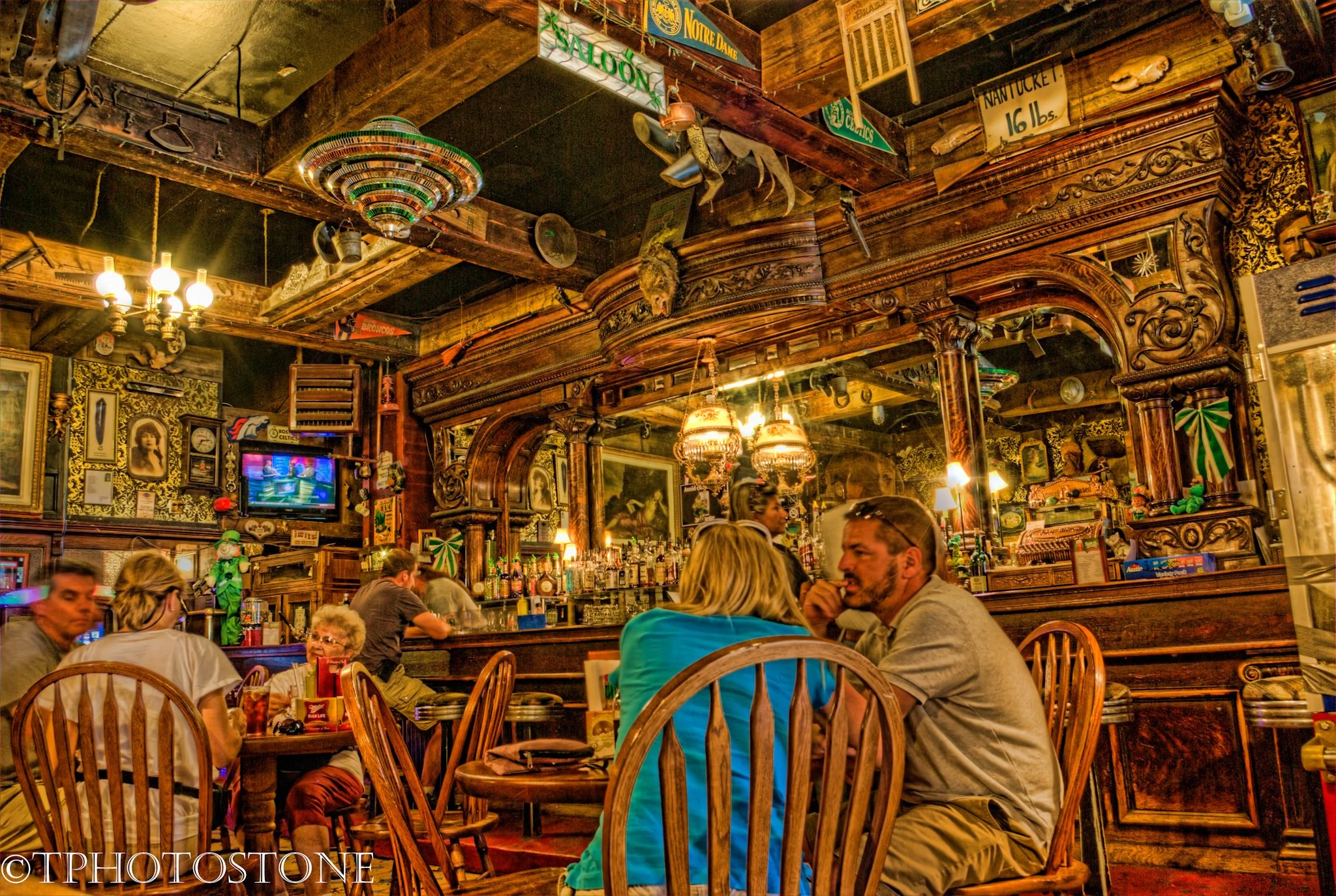
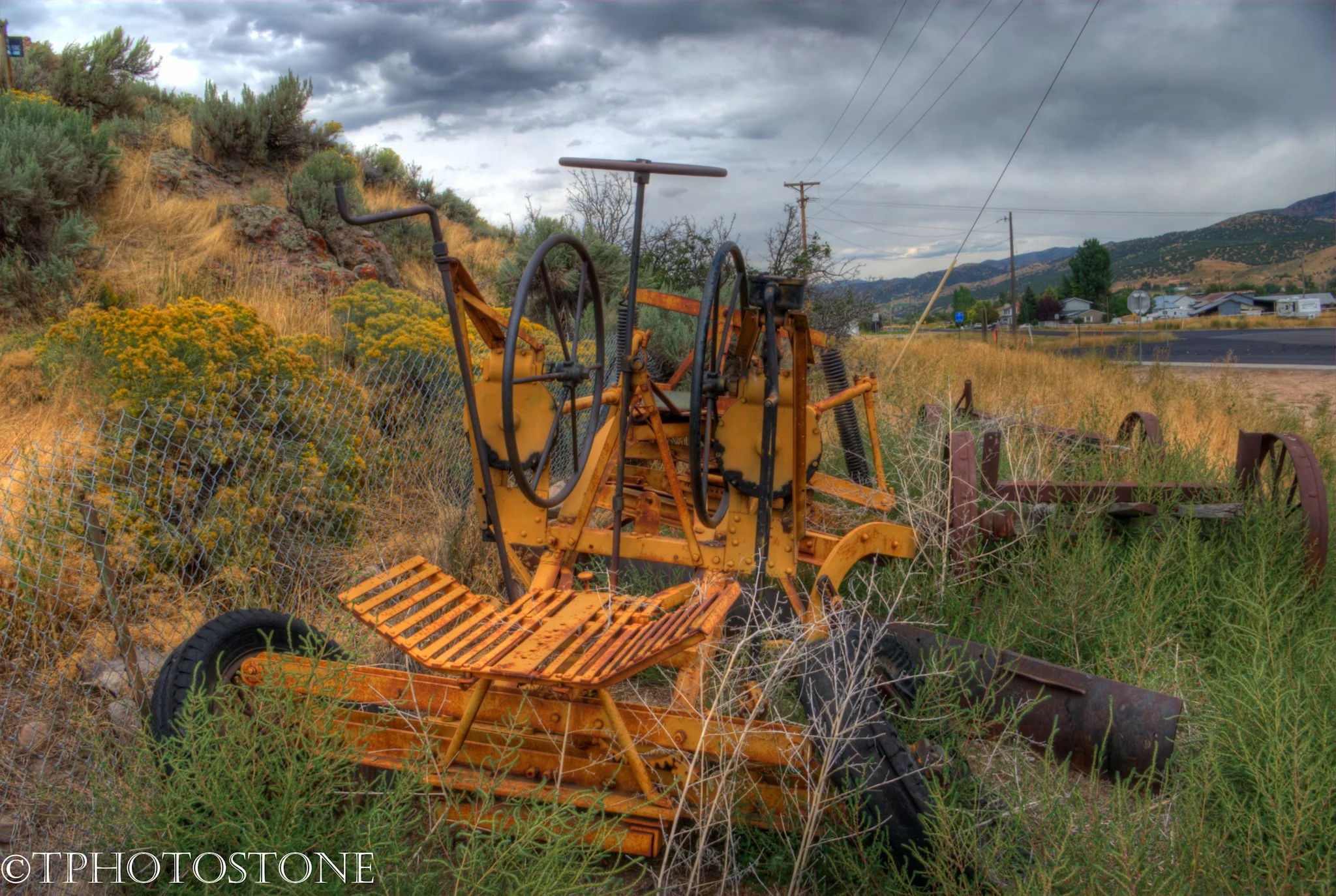
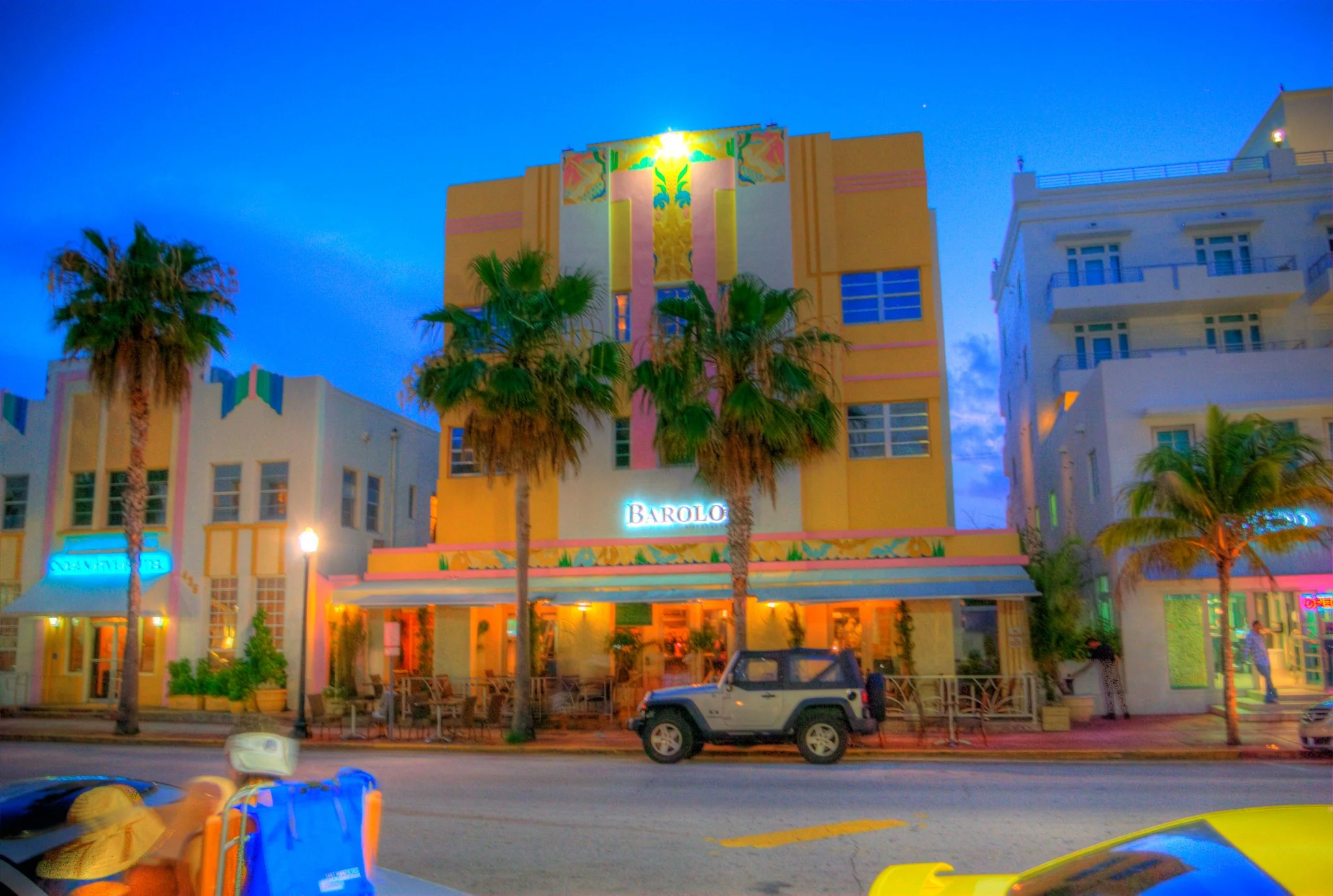
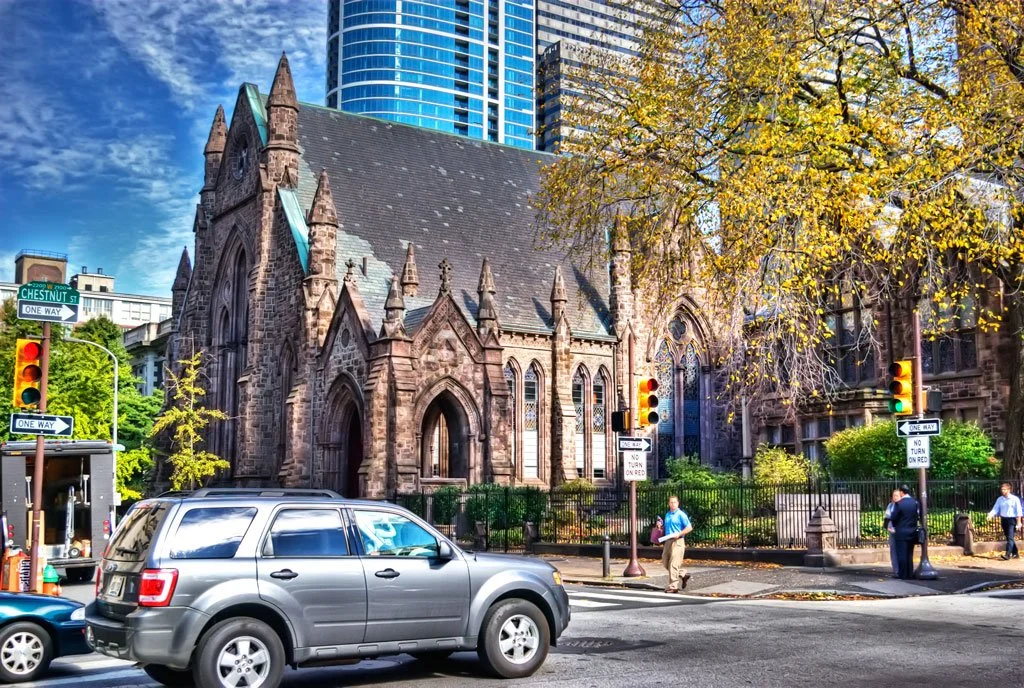
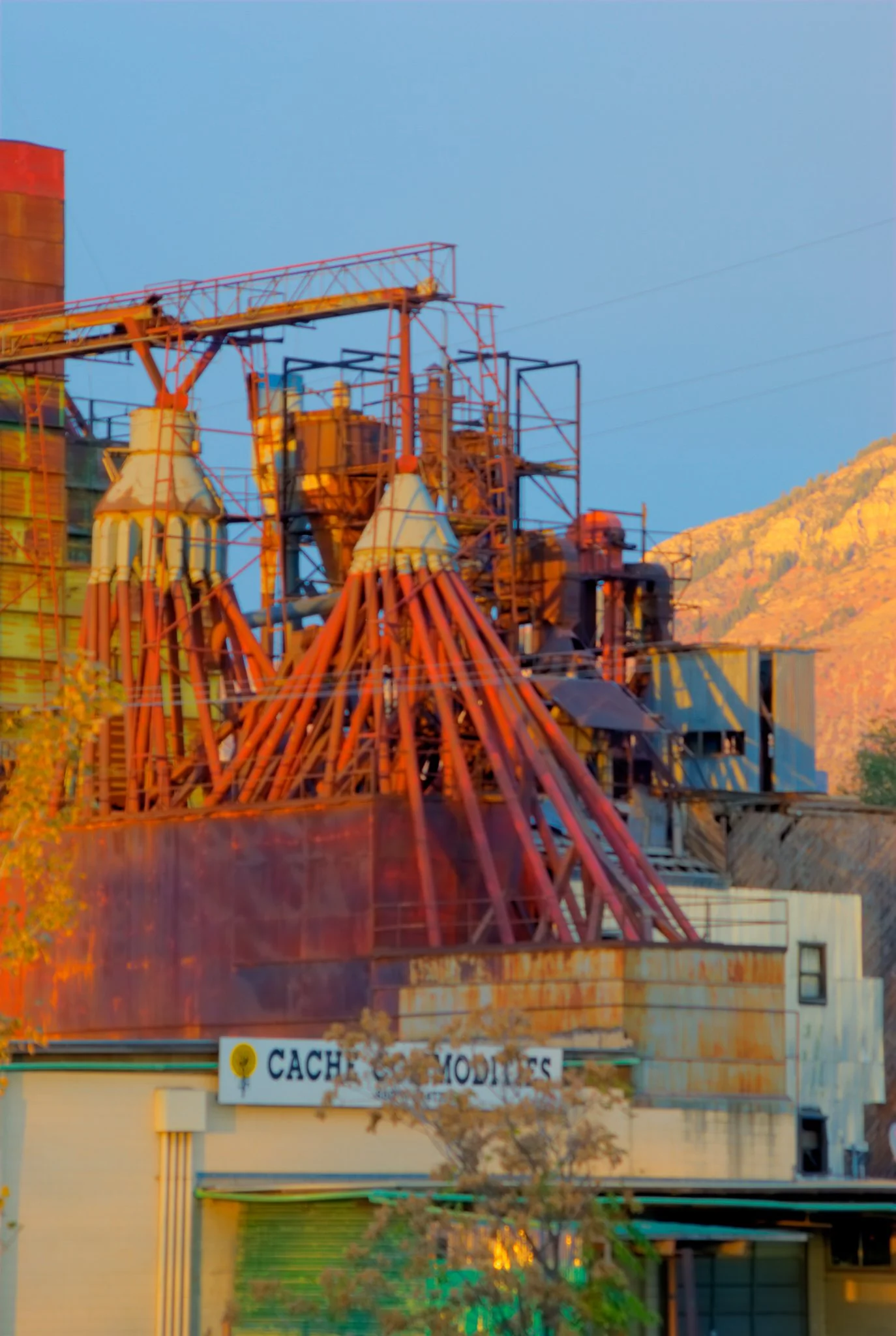
That said, here are a few samples from back in the day for your enjoyment!"
Quick explanation of HDR photography
HDR stands for High Dynamic Range.
In photography, "dynamic range" refers to the difference between the brightest and darkest parts of a scene that a camera can capture in a single exposure. Real-world scenes often have far more range than a standard photo can record — think of a bright sky with deep shadows on the ground. A normal photo usually has to choose: properly expose the highlights (sky blows out) or the shadows (they turn black).
How HDR works:
You take a series of photos of the exact same scene at different exposure levels (bracketing): one normal, one underexposed (for bright areas), and one overexposed (for dark areas). Sometimes 3–7 or more shots.
Software merges these images, taking the best-exposed parts from each to create a single image with much greater detail in both highlights and shadows.
Often, the final image is "tone-mapped" to make it look natural on a screen or print (or sometimes given that dramatic, hyper-real, almost painterly look that became popular in the late 2000s/early 2010s).
Pros:
Incredible detail across the whole scene
Great for landscapes, architecture, and interiors with tricky lighting
Cons:
Can look unnatural or "overcooked" if pushed too far
Requires a static subject (wind, moving people, or leaves can cause ghosting)
Modern sensors (especially in recent mirrorless cameras and phones) have improved so much that single-shot dynamic range is often good enough for many situations
That’s why many photographers (like you) have stepped back from heavy HDR workflows — the tools got better, so the technique became less necessary. Still, it remains a useful skill for certain high-contrast scenes.