Down But Not Out
Union Pacific and the West Entrance
I’ve been told to take it easy for the next little while so here’s me taking it easy. A bit ago a posted about the Yellowstone Railroad. Here’s some more.
In 1905 Union Pacific president E. H. Harriman toured Yellowstone (accompanied by photographer and stage-line operator Frank Jay Haynes) and met with Northern Pacific officials. Seeing the growth in visitation and the need for better facilities, he ordered construction of a branch from the Oregon Short Line (a UP subsidiary) north from St. Anthony/Ashton, Idaho, to the park’s western boundary.
Work began in late 1905. The route climbed over Reas Pass and followed the South Fork of the Madison River; construction in the rugged Island Park country was especially difficult. The last rail was laid on November 12, 1907. On June 11, 1908, the first passenger train steamed into the brand-new terminal settlement then called Riverside (later briefly “Yellowstone,” finally West Yellowstone in 1920). There was essentially no town before the railroad; the line created it.
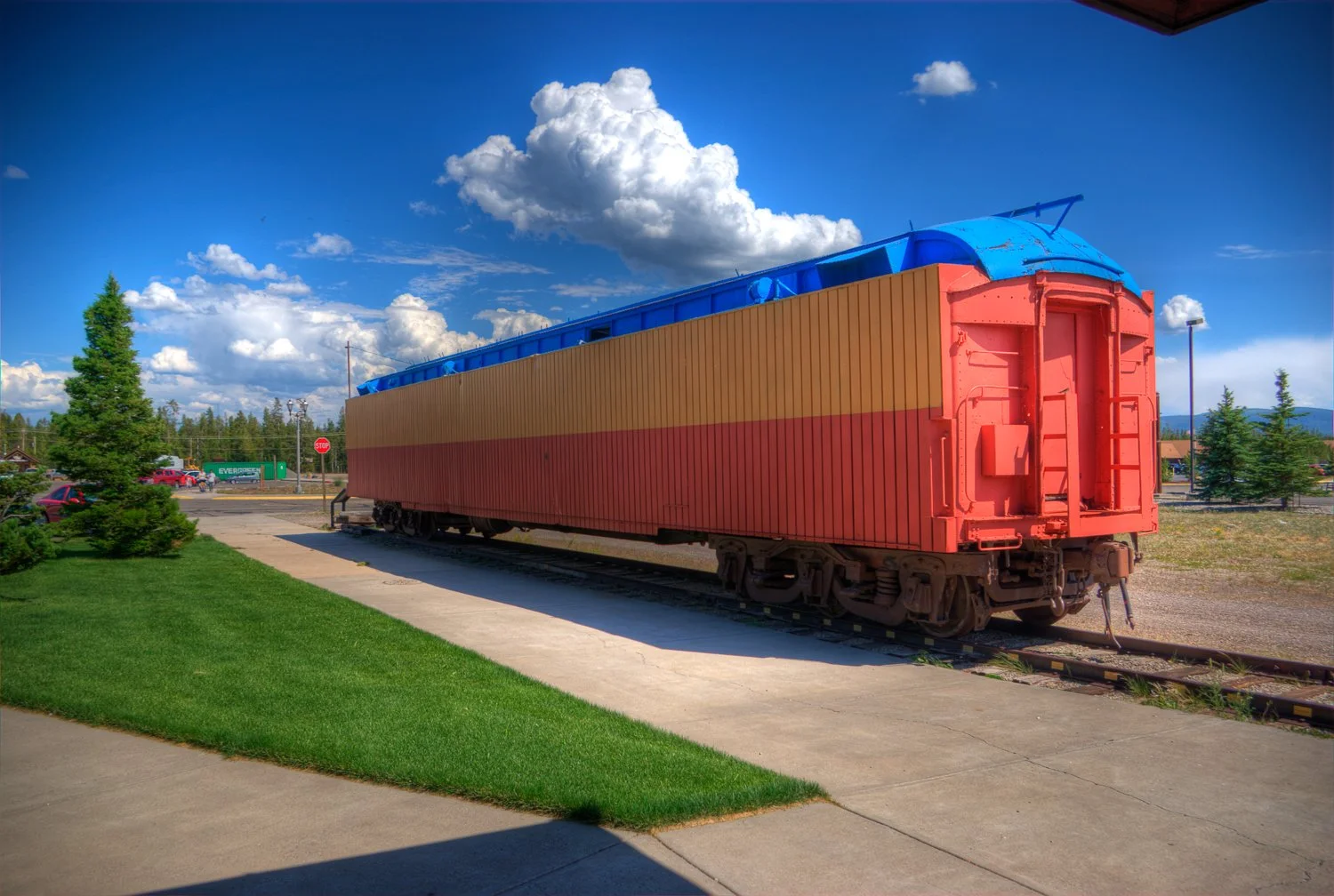
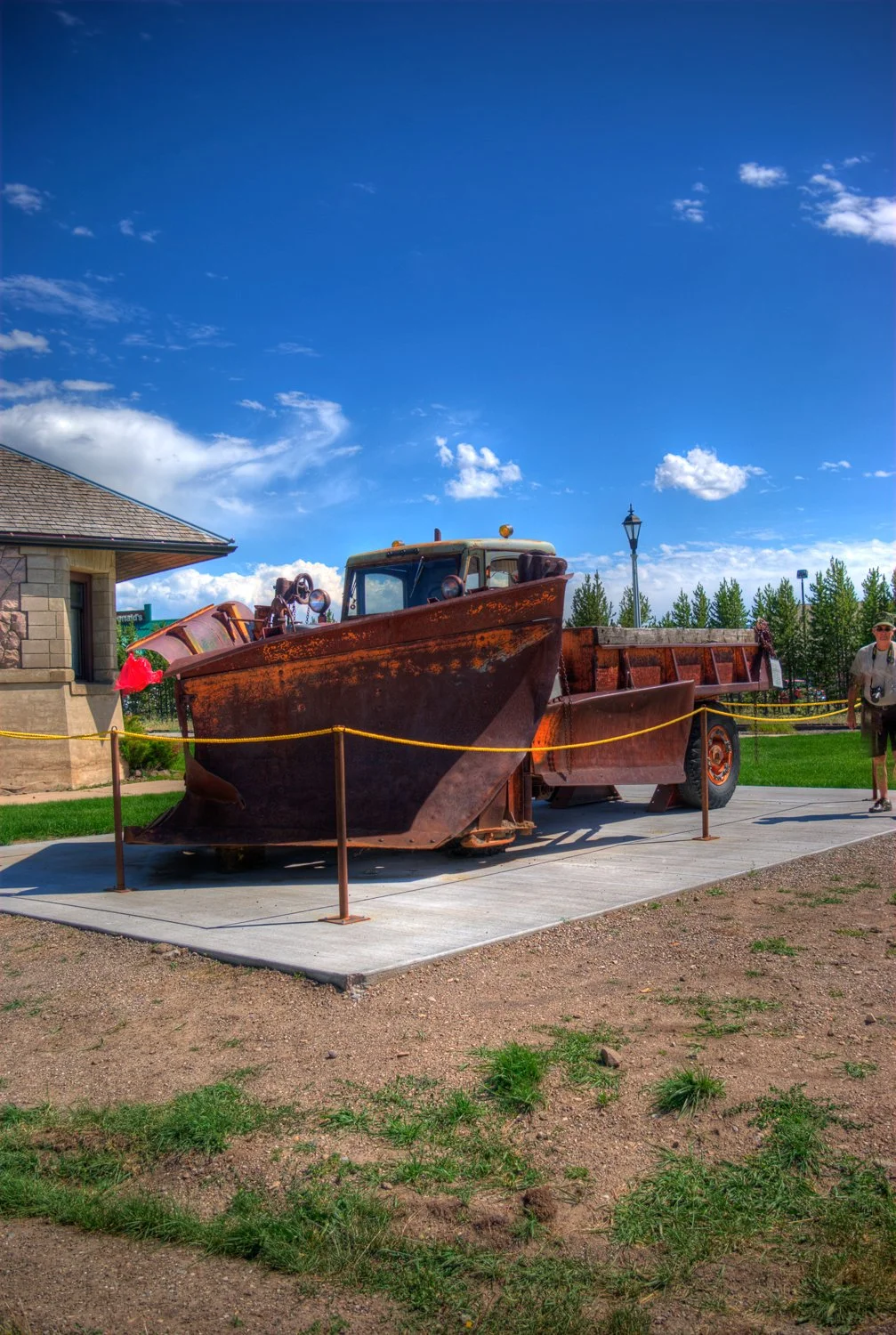
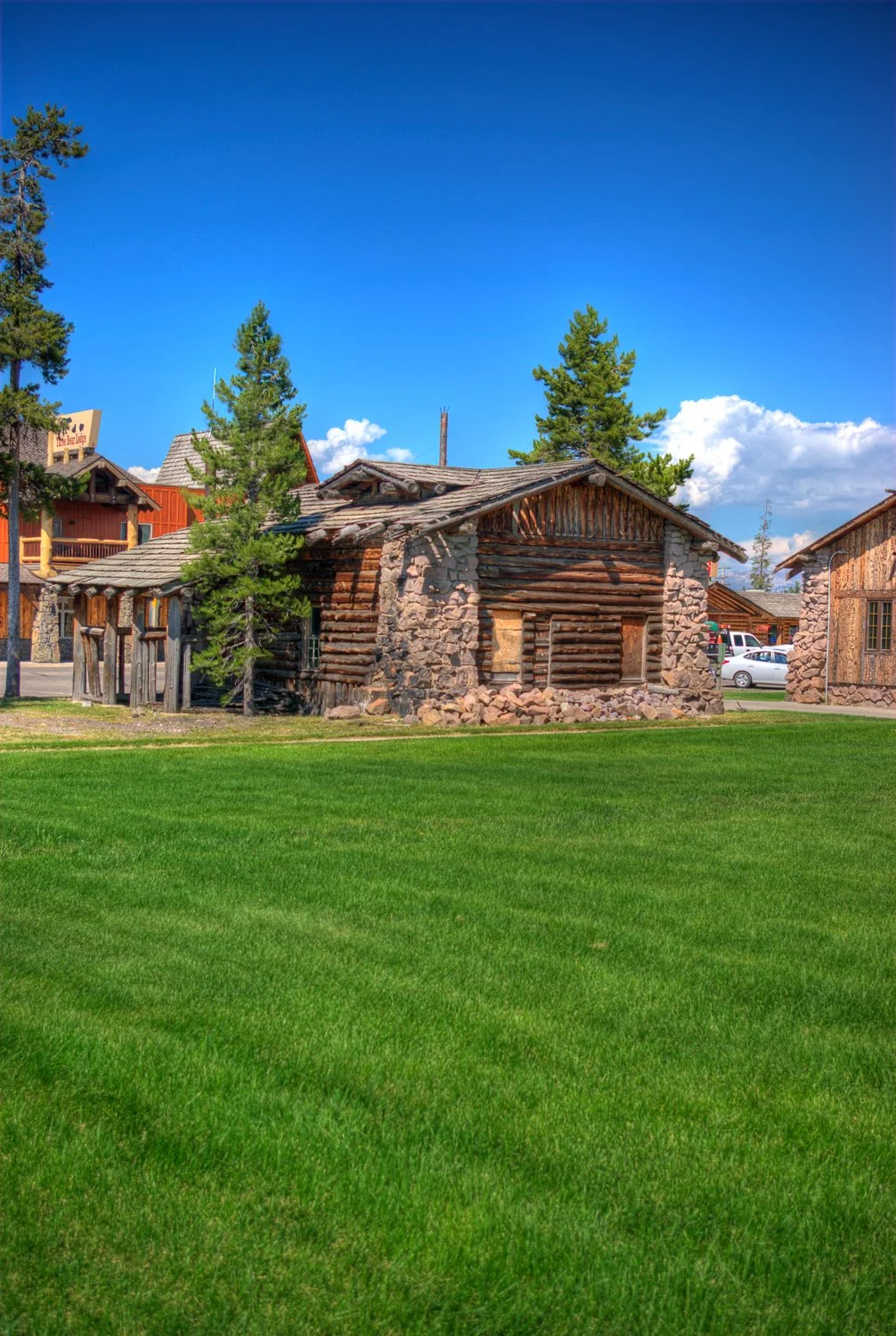
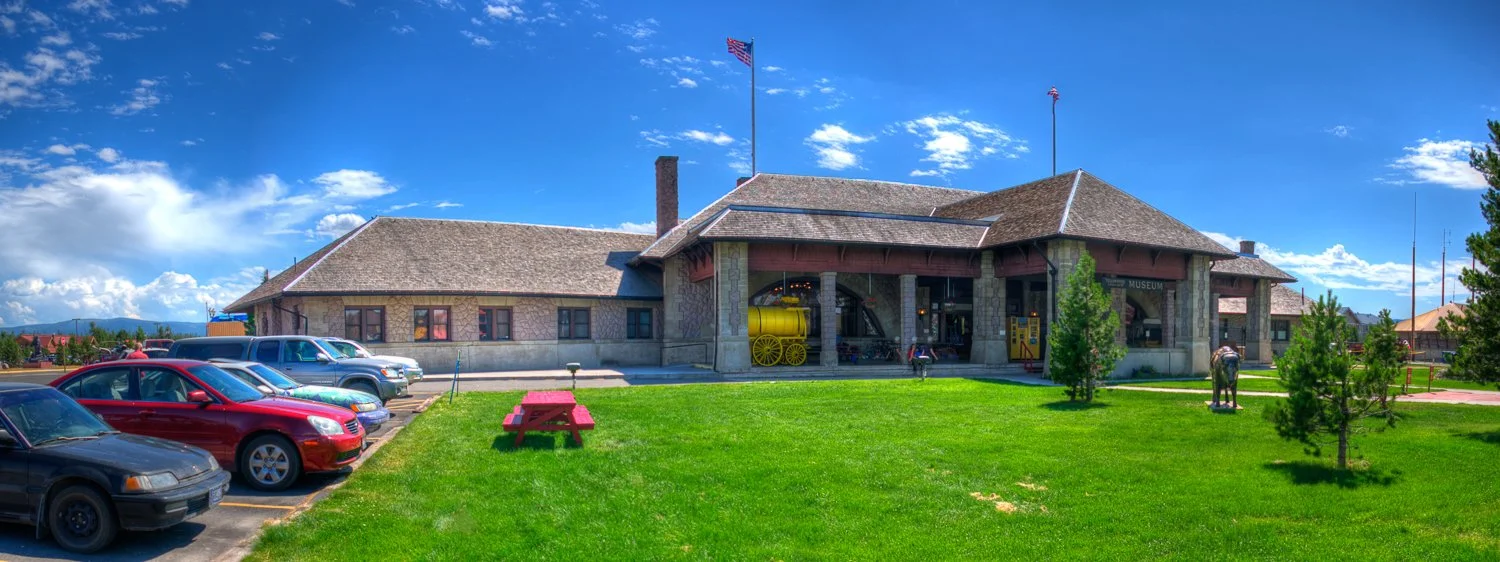
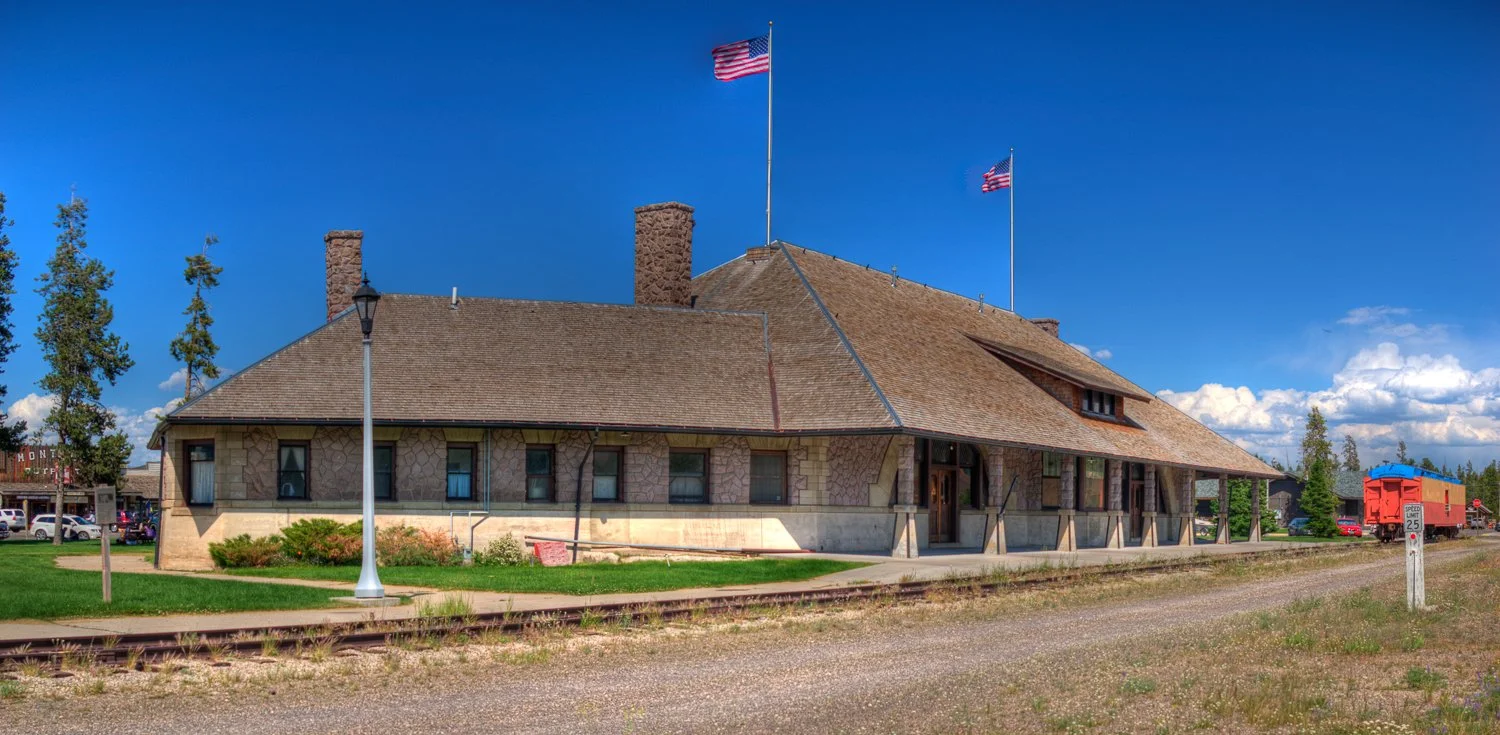
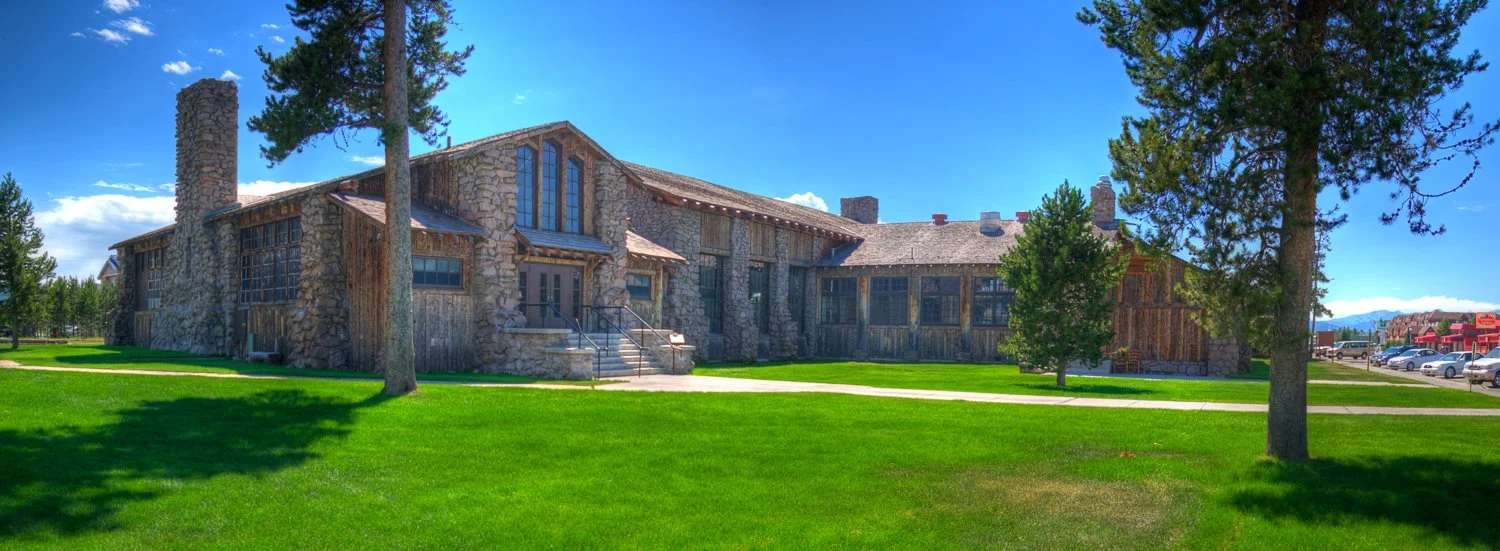
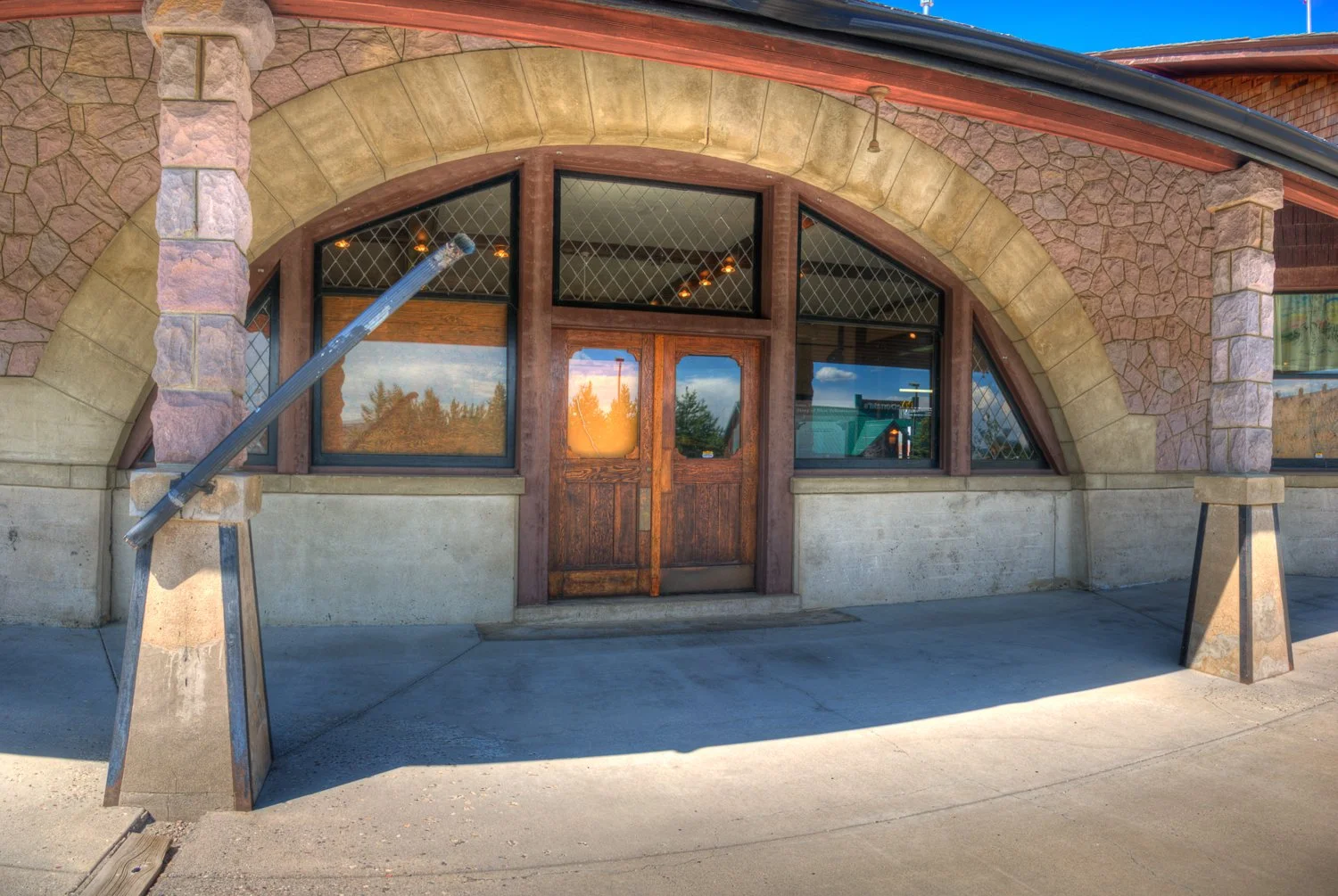
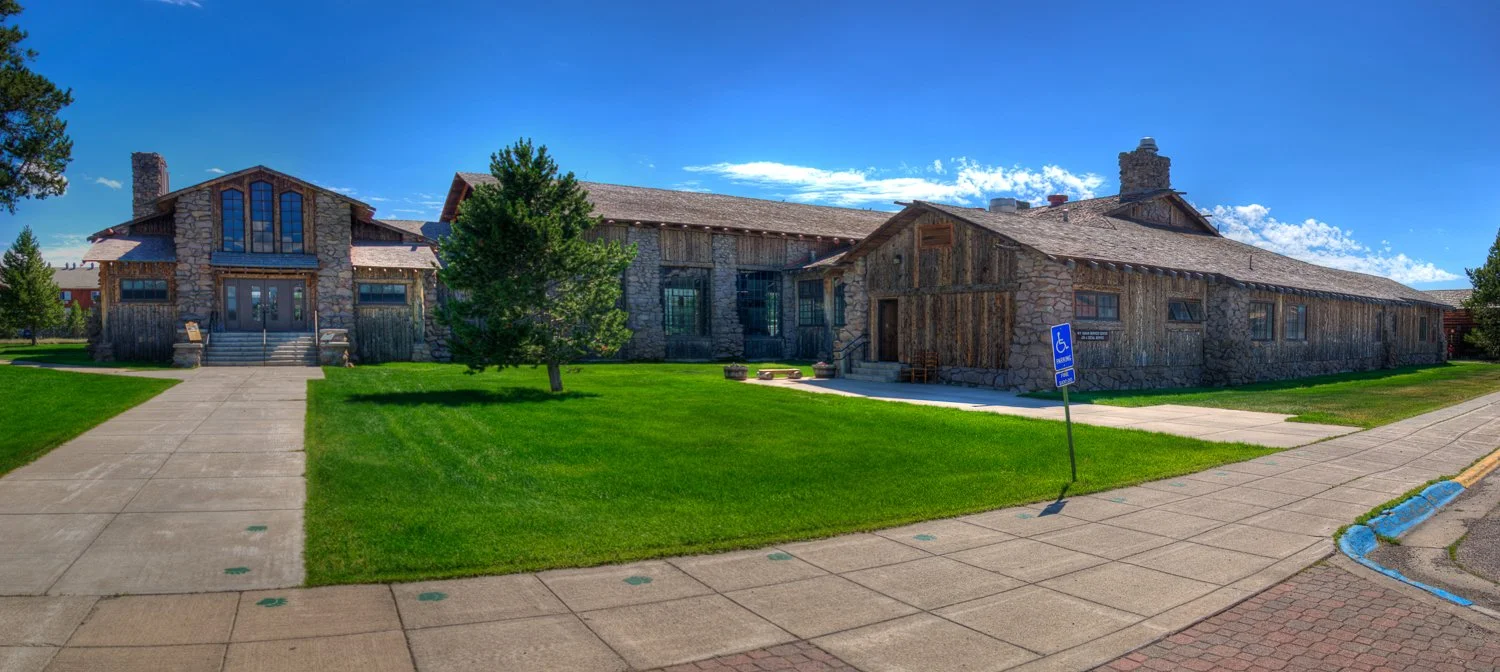
A temporary wooden depot greeted the first arrivals. The handsome permanent stone depot (now the Yellowstone Historic Center) was completed in 1909. Over the next two decades the Union Pacific added a large dining lodge, dormitories, baggage building, water tower, and other facilities in a coordinated rustic style. The line operated only seasonally—closed every winter by deep snow. Each spring crews staged a multi-day “campaign” with rotary plows to reopen the tracks, an event celebrated by the community.
The flagship train was the overnight Yellowstone Special from Salt Lake City; a daytime Yellowstone Express was added later. By the mid-1910s the west entrance had become the busiest rail gateway, sometimes accounting for more than half of all train passengers to the park. In 1915 alone, nearly 30,000 of the 32,551 west-entrance visitors arrived by rail.